


Ditch Refined Sugar: Your Guide to Organic Jaggery Powder
- Writer & Editor

- May 10
- 6 min read
Many of us are taking a closer look at what goes into our food. Recent health trends and a collective push towards better nutrition have led people to re-evaluate their pantry staples. Refined white sugar, once ubiquitous in almost every kitchen, is increasingly being replaced by more natural, wholesome alternatives.
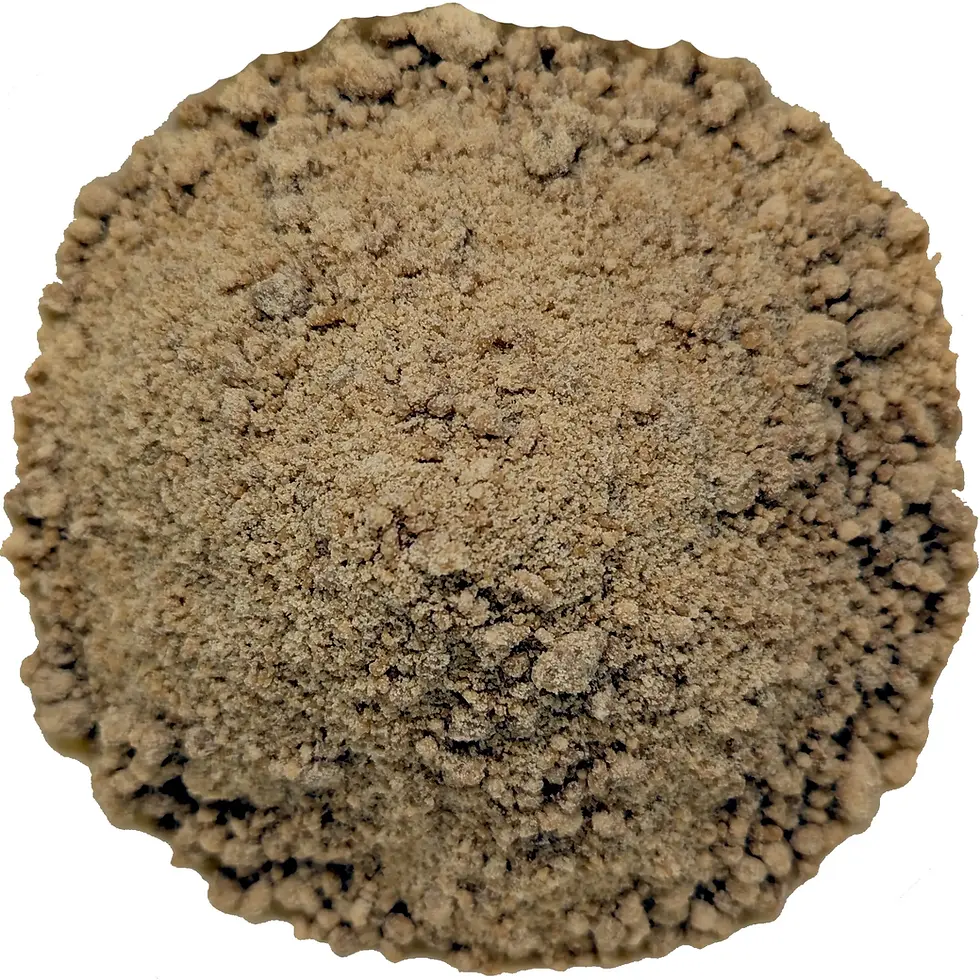
This shift has brought organic jaggery powder into the spotlight. Known as 'gur' in many parts of South Asia, jaggery is an unrefined sweetener made primarily from sugarcane juice. Unlike the hard blocks of traditional jaggery, the powdered form offers incredible convenience for modern cooks and bakers. It dissolves quickly into beverages and integrates smoothly into dry baking mixes.
Start your switch to organic jaggery powder today and embrace a more mindful, flavorful, and transparent approach to sweetening your recipes. Discover how this guide can help you make the change this week.
The Journey from Sugarcane to Organic Jaggery Powder
Understanding how organic jaggery powder is made highlights exactly why it stands out as a quality choice over cheaper, heavily processed sugars. The process respects both the environment and the integrity of the ingredients.
Sugarcane cultivation: organic practices
The journey begins in the sugarcane fields. To achieve true organic certification, farmers must grow sugarcane without the use of synthetic fertilisers, pesticides, or genetically modified organisms (GMOs). Instead, they rely on natural methods to maintain soil health and manage pests. Crop rotation, composting, and the use of natural predators are standard practices. This health-focused approach protects the local ecosystem and ensures that the raw ingredient—the sugarcane itself—is as pure as possible.
Traditional vs organic processing methods
The way sugarcane juice is transformed into a sweetener drastically affects the final product. Conventional white sugar undergoes a rigorous refining process. It is repeatedly boiled, filtered, and treated with chemicals like sulphur dioxide and bone char to strip away its natural colour and impurities. This process also strips away all the natural nutrients.
Organic jaggery powder is produced using a much gentler, traditional method. The freshly pressed sugarcane juice is boiled slowly in large, shallow vessels. As the water evaporates, the juice thickens into a rich, dark paste. Because it is organic, no chemical clarifying agents are added during this boiling process.
Ensuring purity and quality in organic jaggery powder
Once the thick paste cools and crystallises, it is crushed into a fine, workable powder. To ensure the final product meets strict quality standards, it undergoes rigorous testing for purity. Eco-friendly packaging is then used to seal in the freshness, protecting the powder from moisture and preserving its natural, caramel-like aroma. This transparency in production guarantees that you are getting a product entirely free from hidden chemicals.
Nutritional Profile of Organic Jaggery Powder
When evaluating sweeteners, nutritional clarity is crucial. While organic jaggery powder is still a form of sugar and should be consumed mindfully, its nutritional profile is vastly different from that of its refined counterparts.
Micronutrients present
Because organic jaggery is unrefined, it retains the natural molasses from the sugarcane juice. This molasses is a source of several essential micronutrients. When you consume organic jaggery powder, you are getting small but valuable amounts of minerals such as iron, magnesium, potassium, and calcium. It also contains trace amounts of certain B vitamins.
Comparison with refined sugar
Refined white sugar provides nothing but empty calories. It lacks vitamins, minerals, and any form of dietary fibre. Organic jaggery powder, by contrast, retains its natural mineral content. If you are baking a batch of healthy, high-fibre biscuits, using organic jaggery powder complements the nutritional goals of your recipe far better than bleached white sugar ever could.
Glycaemic index considerations
It is important to maintain realistic expectations regarding any sweetener. Organic jaggery powder has a glycaemic index (GI) slightly lower than that of refined sugar, but it will still cause a rise in blood glucose levels. It is a fantastic choice for individuals looking to eliminate chemically processed foods from their diet, but it should still be used in moderation as part of a balanced, health-conscious lifestyle.
Culinary Uses and Applications
One of the greatest advantages of organic jaggery powder is its versatility. It can easily replace refined sugar in almost any recipe, bringing a deep, complex flavour to your food.
Sweetener in beverages
Starting your day with a warm drink is a daily ritual for many. Stirring a spoonful of organic jaggery powder into your morning tea or coffee adds a subtle richness that white sugar simply cannot match. It dissolves effortlessly into both hot and cold liquids, making it an excellent addition to breakfast smoothies or a post-workout shake.
Baking and desserts
For the weekly baker, organic jaggery powder is a revelation. It pairs beautifully with healthy baking ingredients like whole-wheat flour, oats, and high-fibre seeds. When baking cookies, cakes, or fruit puddings, jaggery imparts a warm, toffee-like moisture. It works particularly well in recipes that call for brown sugar, as the texture and moisture content are quite similar.
Traditional dishes and modern recipes
Jaggery has been a staple in South Asian and Southeast Asian cuisines for centuries. It is used to sweeten traditional rice puddings, lentil dishes, and chutneys. Modern chefs are now incorporating it into savoury dishes too. A pinch of jaggery powder can perfectly balance the acidity of a tomato-based pasta sauce or add a beautiful glaze to roasted root vegetables.
Flavour profiles and how to substitute
Organic jaggery powder has a distinct, earthy flavour with prominent notes of caramel and molasses. When substituting it for white sugar in your recipes, a 1:1 ratio generally works well. However, because jaggery has a stronger flavour, you might find that you can use slightly less of it while still achieving the desired level of sweetness.
The Environmental and Ethical Impact of Organic Jaggery
Your purchasing decisions have a direct impact on the environment. Choosing organic jaggery powder supports a system of agriculture that prioritises the planet.
Sustainable farming practices
Organic sugarcane farming is inherently eco-friendly. By avoiding synthetic chemicals, farmers prevent toxic runoff from polluting local waterways. Organic practices also focus heavily on soil conservation. Healthy soil absorbs more carbon from the atmosphere and retains water better, which is crucial in areas prone to drought.
Economic benefits for farmers
Many organic jaggery producers operate under fair-trade principles. This means that the farmers who grow the sugarcane and the workers who process the jaggery are paid fair wages and work in safe conditions. When you choose quality over cost, you are directly supporting farming communities and helping them build sustainable livelihoods.
Reduced environmental footprint
Beyond the farming stage, organic jaggery producers often prioritise sustainable manufacturing processes. This includes using renewable energy to heat the boiling vessels and packaging the final product in fully eco-friendly, recyclable, or compostable materials.
Tips for Purchasing and Storing Organic Jaggery Powder
Take control of your health by making informed choices as you purchase and store organic jaggery powder. Start by following these shopping and storage tips today.
What to look for on labels
Always check the packaging for a certified organic seal from a recognised authority. The ingredient list should be incredibly short: 100% organic sugarcane juice or organic jaggery. There should be no anti-caking agents, artificial colours, or preservatives. Nutritional transparency is a hallmark of a trustworthy brand.
Reputable brands and certifications
Look for brands that openly share their sourcing practices. Brands that offer flexible subscription plans often have a very loyal customer base, which is usually a strong indicator of consistent quality and excellent customer service. Checking online customer reviews can also help you identify brands that consistently deliver high-quality, eco-friendly products.
Proper storage to maintain freshness
Because organic jaggery powder does not contain chemical anti-caking agents, it can be prone to clumping if exposed to moisture. To prevent this, transfer the powder into an airtight glass or BPA-free plastic container immediately after opening. Store the container in a cool, dark, and dry place in your pantry. If you live in a particularly humid climate, storing it in the refrigerator can help maintain its powdery texture.
Debunking Myths and Misconceptions
As with any health-focused ingredient, there is plenty of misinformation surrounding jaggery. Clearing up these misconceptions will help you use this product effectively.
Addressing common beliefs about jaggery
A widespread myth is that jaggery is a low-calorie food. This is entirely false. Jaggery contains roughly the same number of calories per gram as refined white sugar. The difference lies entirely in the quality of those calories. White sugar offers zero nutritional value, whereas organic jaggery powder retains trace minerals.
Clarifying its role in a balanced diet
Another misconception is that you can consume unlimited amounts of jaggery because it is 'natural'. While it is undeniably a better choice than heavily refined alternatives, it remains a concentrated source of carbohydrates. It should be used to complement a healthy lifestyle, not to excuse excessive sugar consumption. It is the perfect ingredient for creating low-sugar, high-fibre bakes when used thoughtfully.
A Sweeter, More Sustainable Future
Swapping out refined white sugar for organic jaggery powder is a simple but highly effective way to improve your diet. By making this change, you introduce vital trace minerals into your meals, enhance the flavour of your weekly baking, and support sustainable, eco-friendly farming practices.
Whether you are motivated by a recent health resolution or simply a desire to bake with better, health-focused ingredients, organic jaggery powder delivers on all fronts. It proves that you do not have to compromise on taste to make choices that benefit both your body and the planet. Check the labels, look for that organic certification, and elevate your pantry with a sweetener you can truly feel good about using.
Comments