


Jaggery Powder: The Ancient Sweetener Your Family Needs
- Writer & Editor

- Jun 21
- 8 min read
TL;DR: Jaggery powder is an unrefined natural sweetener made from sugarcane juice or palm sap. Unlike refined white sugar, jaggery powder retains trace minerals and vitamins. It has been used in South Asian, African, and Latin American cuisines for centuries and is increasingly popular as a healthier alternative sweetener in modern cooking and baking.
Every family has a sugar bowl on the kitchen counter. But what if that bowl held something far more nutritious—something with centuries of culinary history and a far richer nutritional story to tell?
Jaggery powder is making its way from traditional kitchens in South Asia, Africa, and Latin America into health-conscious households worldwide. And for good reason. As more adults start reading ingredient labels and questioning what they're feeding their families, jaggery powder stands out as a meaningful swap—one that delivers sweetness without stripping away everything else.
This guide covers everything you need to know about jaggery powder: what it is, how it compares to refined sugar, its health benefits, how to use it in everyday cooking, and how to make sure you're buying a quality product. By the end, you'll have the knowledge to make a genuinely informed choice for your household.
What Is Jaggery Powder, and Where Does It Come From?
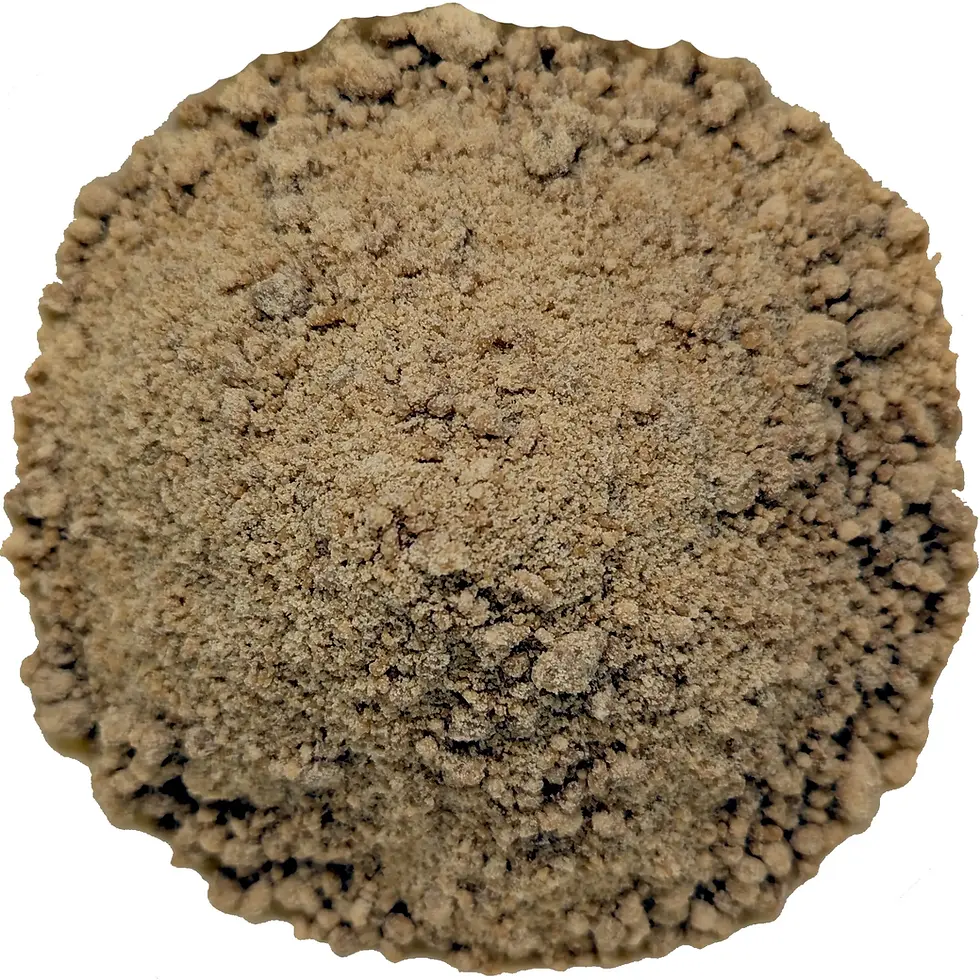
Jaggery powder is produced by concentrating raw sugarcane juice or palm sap through boiling, then drying and grinding the result into a fine powder. Unlike white sugar, jaggery undergoes minimal processing—meaning it skips the steps that strip away naturally occurring minerals and molasses.
Its history stretches back over 3,000 years. Jaggery has played a central role in Ayurvedic medicine, Indian festive cooking, West African cuisine, and traditional Latin American baking. In India alone, jaggery (known as "gur") has been used medicinally and culinarily for millennia, often served after meals to support digestion or mixed into traditional drinks.
The powdered form is the classic block jaggery in a more practical form. Because of its ease of dissolution, accurate measurement, and seamless integration into contemporary recipes, it has gained a lot of popularity in health-conscious baking and cooking.
What Is the Nutritional Profile of Jaggery Powder?
Jaggery powder contains a range of micronutrients that are largely absent from refined white sugar. According to data from the National Institute of Nutrition (India), jaggery contains trace amounts of:
Iron — important for healthy red blood cell production
Magnesium — supports muscle function and energy metabolism
Potassium — contributes to healthy blood pressure
Calcium — essential for bone health
Phosphorus — supports kidney function and tissue repair
B vitamins — including small amounts of B6 and folate
In terms of calories, jaggery powder is comparable to white sugar—roughly 375–383 calories per 100g. The key distinction is not caloric but nutritional: jaggery delivers these calories alongside micronutrients, whereas refined sugar provides energy with virtually no nutritional value.
It also retains some natural antioxidants from the molasses content, though these are present in modest amounts. Think of jaggery powder as a more nutritionally complete sweetener rather than a low-calorie one.
What Are the Key Health Benefits of Jaggery Powder?
Can Jaggery Powder Support Digestive Health?
Jaggery powder has long been used in traditional medicine as a digestive aid. In many South Asian households, it is common practice to consume a small amount of jaggery after meals. Jaggery is believed to stimulate digestive enzymes and support the movement of food through the digestive tract.
While robust clinical evidence in humans remains limited, these traditional practices are consistent with the known properties of the natural compounds found in jaggery. For families looking to support gut wellness through diet, replacing refined sugar with jaggery powder in everyday meals is a practical first step.
How Does Jaggery Powder Provide Sustained Energy?
Jaggery powder contains complex carbohydrates that break down more gradually than the simple sugars in refined white sugar. This slower digestion means a steadier release of energy—reducing the likelihood of the sharp energy spikes and crashes associated with high-sugar diets.
This makes jaggery powder particularly useful in baked goods for children and adults who need consistent energy levels throughout the day—whether that's for school, work, or staying active.
Does Jaggery Powder Help Detoxify the Body?
Traditional Ayurvedic practice has long credited jaggery with supporting the body's natural cleansing processes. Specifically, jaggery has historically been consumed by workers in dusty or polluted environments—such as miners or potters—based on the belief that it helps clear impurities from the respiratory system and digestive tract.
Modern nutrition science has not confirmed specific detoxification mechanisms, but the antioxidant content in jaggery—derived from its retained molasses—does support the body's natural defence against oxidative stress. These are meaningful, if modest, contributions to overall wellness.
Jaggery Powder vs. Refined Sugar: Which Is the Healthier Choice?
This is one of the most common questions from people looking to make smarter dietary choices—and the comparison is genuinely illuminating.
Feature | Jaggery Powder | Refined White Sugar |
Processing | Minimal | Highly refined |
Minerals | Yes (iron, magnesium, potassium) | None |
Vitamins | Trace B vitamins | None |
Antioxidants | Small amounts | None |
Glycaemic Index | ~84 | ~65–70 (varies by type) |
Calories (per 100g) | ~383 kcal | ~387 kcal |
Molasses retained | Yes | No |
One important nuance: jaggery powder has a higher glycaemic index than some sources suggest, so it is not a low-GI food. The advantage over white sugar lies in its nutritional density and minimal processing—not in its sugar content or caloric profile.
The bottom line: Choose jaggery powder if nutritional value and ingredient transparency matter more than caloric reduction. It is a more wholesome sweetener, but it is still a sweetener and should be used with the same moderation as any added sugar.
How Is Jaggery Powder Used in Cooking and Baking?
Traditional Culinary Uses of Jaggery Powder
Jaggery powder is a staple across a wide range of traditional cuisines:
India: Used in sweets like ladoo, halwa, and pongal; also stirred into chai tea
Sri Lanka: A core ingredient in traditional rice puddings and coconut-based desserts
West Africa: Used to sweeten porridges, beverages, and baked goods
Latin America: Known as "panela" or "piloncillo", it features in drinks like agua de panela and traditional biscuits
Modern Uses of Jaggery Powder in Everyday Recipes
Jaggery powder dissolves easily and has a rich, warm, caramel-like flavour with subtle earthy notes—making it a versatile ingredient in modern kitchens:
Baking: Substitute jaggery powder 1:1 for brown sugar in biscuits, muffins, cakes, and energy bars. The result is a deeper, more complex flavour profile.
Hot drinks: Stir into coffee, tea, or warm milk as a nutritionally superior alternative to white sugar.
Salad dressings and marinades: A small amount adds warmth and depth to savoury dishes.
Porridge and overnight oats: A sprinkle over morning oats provides natural sweetness and trace minerals.
Smoothies: Blends seamlessly for natural sweetness without the processed taste of refined sugar.
For families transitioning to healthier eating habits, swapping refined sugar for jaggery powder in everyday biscuits and baked snacks is one of the most practical and immediate changes they can make.
How to Source High-Quality Jaggery Powder
How Can You Tell If Jaggery Powder Is Pure?
Not all jaggery powder products are equal. Some commercially produced versions contain added sugar, artificial colours, or preservatives that dilute its nutritional value. Here's how to identify a genuine, high-quality product:
Colour: Pure jaggery powder ranges from golden yellow to deep brown. Avoid products that appear unnaturally white or uniform—these may contain refined sugar.
Taste: Authentic jaggery has a rich, slightly smoky, caramel-like flavour. If it tastes like plain sugar, it likely contains additives.
Ingredients label: The ingredient list should contain one item: jaggery or sugarcane juice. Any additional ingredients warrant scrutiny.
Texture: Quality jaggery powder is slightly coarse and may clump lightly due to its natural moisture content. Very fine, free-flowing powder may indicate processing.
Where Should You Buy Jaggery Powder?
Jaggery powder is available at:
Indian and South Asian grocery stores
Health food shops and organic retailers
Reputable online marketplaces—look for brands with clear sourcing information and transparent ingredient labelling
Farmers' markets featuring artisan food producers
When buying online, prioritise brands that provide details about their sourcing region, production method, and whether the product is certified organic.
What Are the Potential Side Effects and Considerations of Jaggery Powder?
Jaggery powder is a nutritious choice for most healthy adults and families—but a few considerations are worth noting:
Caloric content: Jaggery is calorie-dense and should be used in moderation, just like any sweetener. Overconsumption can contribute to weight gain.
Blood sugar management: Despite being less refined than white sugar, jaggery powder still raises blood glucose levels. Individuals managing diabetes or insulin resistance should consult a healthcare professional before making jaggery a regular part of their diet.
Dental health: Like all sugars, jaggery can contribute to tooth decay if oral hygiene is not maintained.
Allergies: Those with sugarcane allergies should exercise caution.
Freshness: Jaggery powder can absorb moisture and spoil if stored improperly. Keep it in an airtight container in a cool, dry place.
There is no evidence that jaggery powder cures or treats any medical condition. Its benefits are nutritional and supplementary to a balanced diet—not medicinal.
Make the Switch: Small Changes, Real Impact
Jaggery powder is a compelling case for what happens when minimal processing meets centuries of culinary wisdom. It brings sweetness, depth of flavour, and a nutritional profile that refined sugar simply cannot match. For families looking to make more informed dietary choices—without overhauling everything they eat and enjoy—it represents one of the most accessible upgrades available.
Start small. Swap refined sugar for jaggery powder in your morning tea, your weekend baking, or your family's favourite biscuits. Pay attention to ingredient labels. Ask where your sweetener comes from and how it was made.
Conscious consumption doesn't require perfection. It requires intention—and jaggery powder is a very good place to start.
Frequently Asked Questions About Jaggery Powder
Is jaggery powder the same as brown sugar?
No. Brown sugar is refined white sugar with molasses added back in. Jaggery powder is made directly from concentrated sugarcane juice or palm sap, with no refining process. Jaggery retains naturally occurring minerals and vitamins, whereas brown sugar does not.
Can jaggery powder be used as a 1:1 substitute for white sugar in baking?
Yes, in most recipes jaggery powder can replace white sugar in equal quantities. Its flavour is richer and more caramel-like, which enhances the taste of baked goods like biscuits, muffins, and cakes. Some recipes may require slight adjustments to liquid ratios due to jaggery's natural moisture content.
Is jaggery powder safe for children?
Jaggery powder is generally safe for children as part of a balanced diet. Its trace mineral content—particularly iron and calcium—makes it a more nutritious choice than refined sugar. As with all sweeteners, moderation is key. Parents should avoid giving large amounts to very young children.
How does jaggery powder compare to honey or maple syrup?
All three are less refined than white sugar and contain some trace nutrients. Honey and maple syrup are liquid sweeteners with distinct flavour profiles, while jaggery powder is dry and easier to measure for baking. Jaggery powder tends to be more affordable and is particularly suited to South Asian-inspired recipes. The best choice depends on the recipe and personal taste preference.
How should jaggery powder be stored to keep it fresh?
Store jaggery powder in an airtight container in a cool, dry place away from direct sunlight. It can absorb moisture from the air and clump or spoil if exposed. Properly stored, it keeps for up to six months.
Does jaggery powder contain gluten?
Pure jaggery powder is naturally gluten-free, as it is derived from sugarcane juice or palm sap. However, if you have a gluten intolerance or coeliac disease, always check the packaging for potential cross-contamination warnings.
Comments